
Quarterly Newsletter Q1
Q1 Newsletter:
Daisy Mountain Fire Department Opens 7th Fire Station
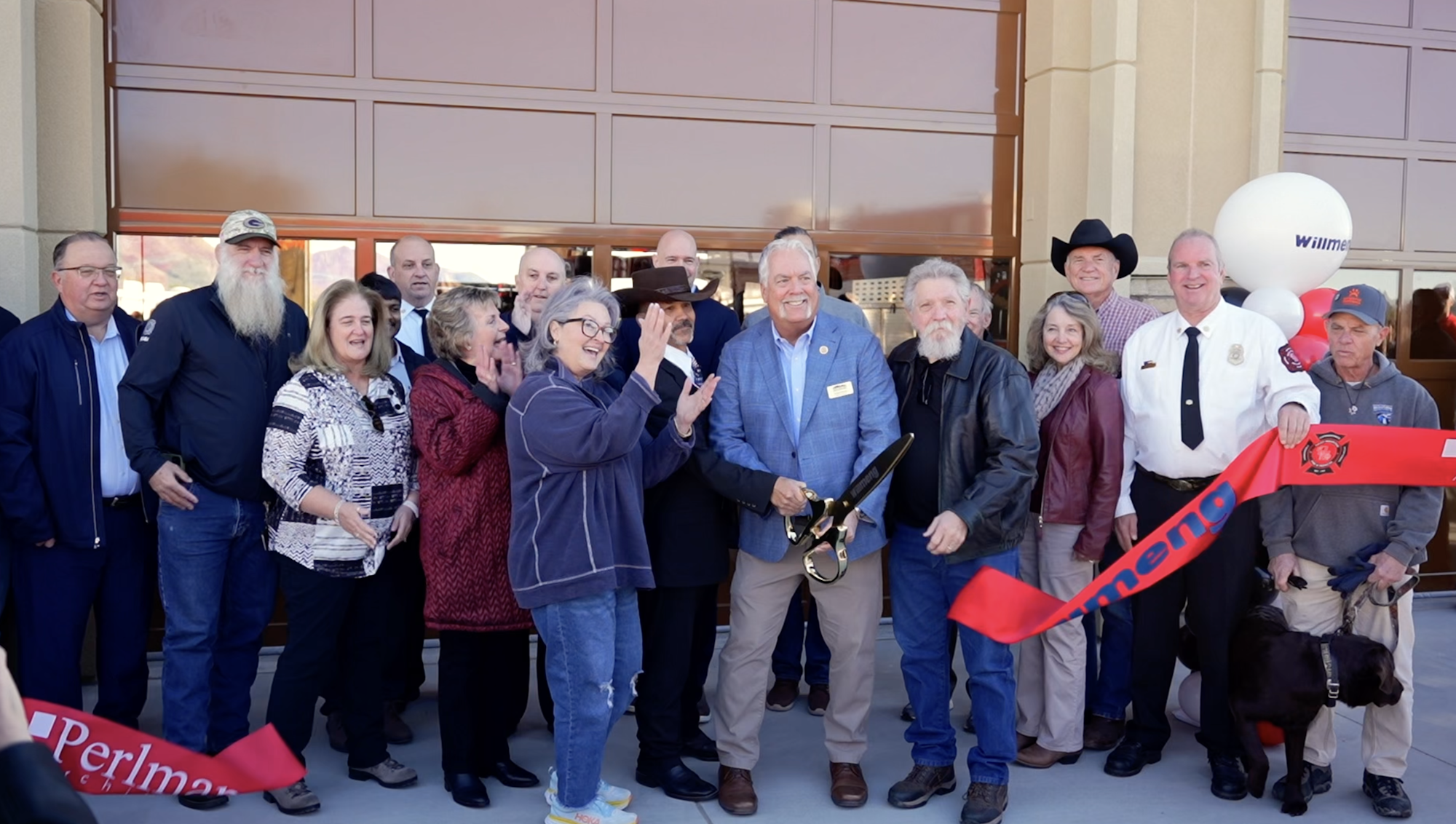
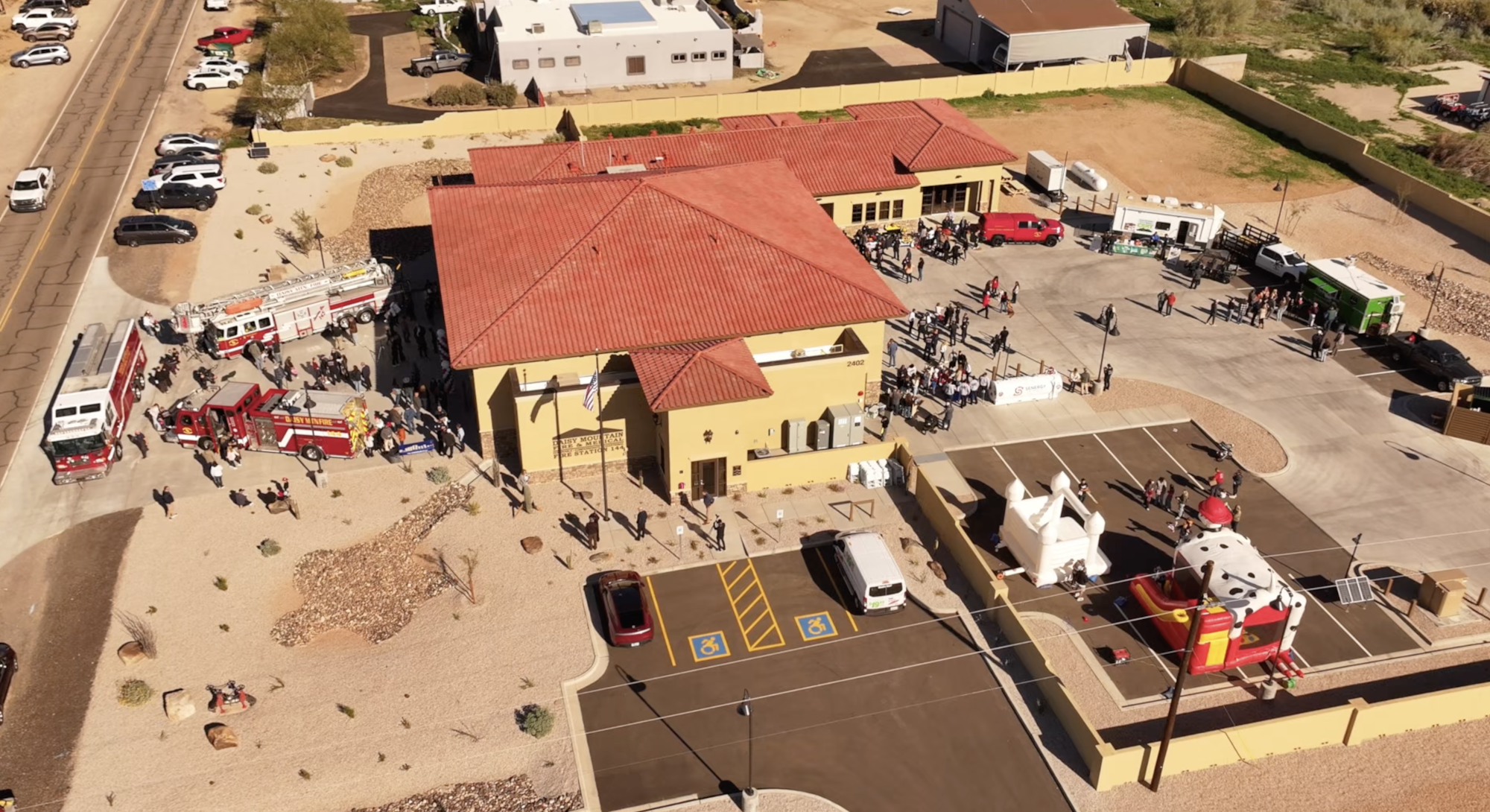
We’re excited to officially open our newest fire station located at 24th Street and Cloud Road. This brings us to seven stations across our district as our community continues to grow.
This station was placed here to help improve response times in some of our faster-growing areas. As call volume increases, it’s important for us to stay ahead of the curve so we can keep getting to you quickly when you call 911. This new location helps us do exactly that.
Heavy Rescue Coming Soon
The new station will house our Heavy Rescue, which will be fully operational soon. This unit responds to Technical Rescue Team (TRT) incidents and Hazardous Materials (HazMat) calls across our district.
These aren’t your everyday calls — they can include things like rope rescues, trench incidents, confined space rescues, or hazardous material situations that require specialized training and equipment. Having Heavy Rescue positioned here allows us to deploy those advanced resources more efficiently when they’re needed.
We’re proud to continue investing in the safety of our community and making sure we’re ready for whatever comes our way.
Daisy Mountain Graduating Class 25-3
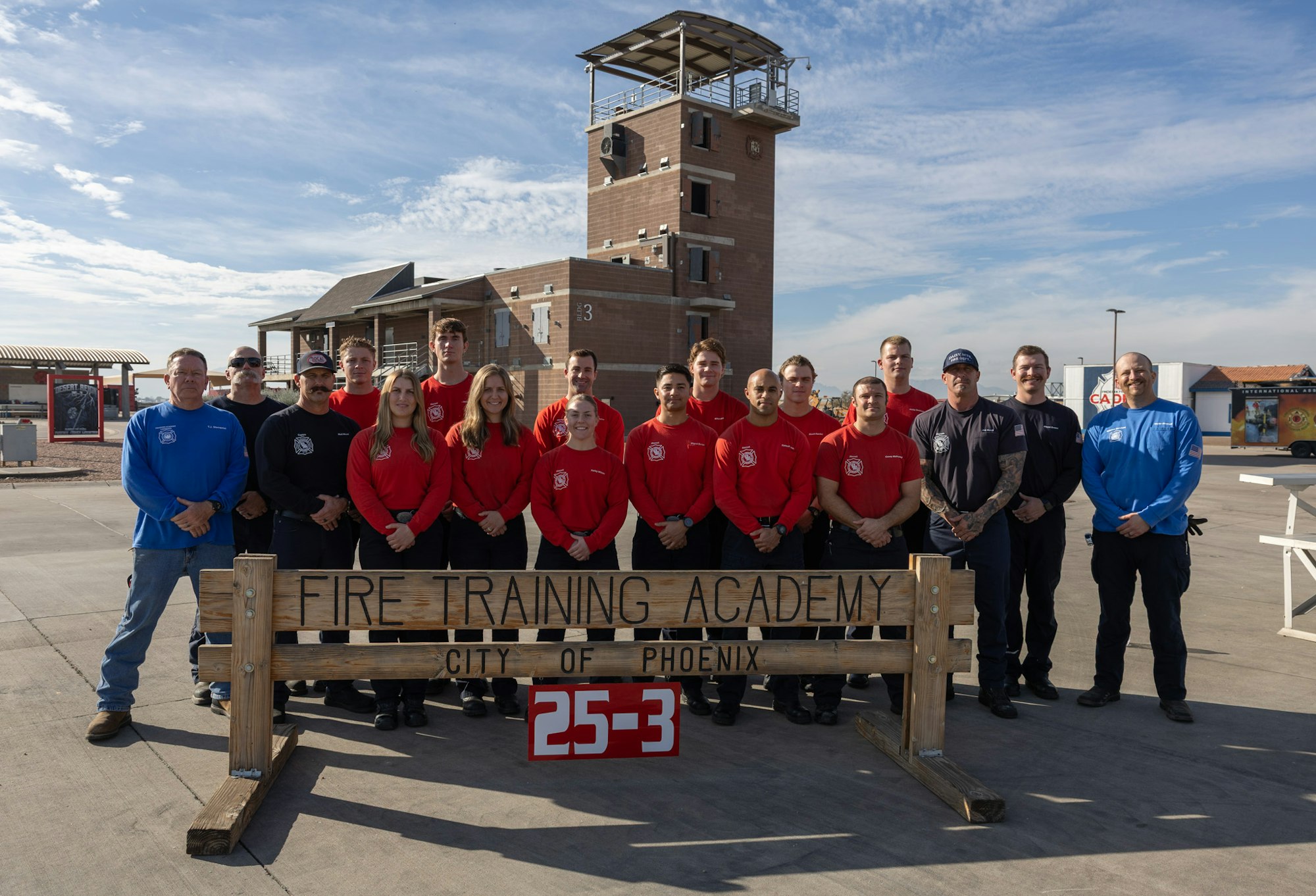
We want to give a big congratulations to our newest Daisy Mountain Fire Department recruits for graduating from Phoenix Fire Academy Class 25-3.
Over the course of the academy, they completed rigorous training that tested them physically and mentally. From live fire evolutions and EMS training to technical skills and team-based operations, the academy builds the foundation needed to perform safely and confidently when it matters most.
We also want to thank Phoenix Fire Department for the time, effort, and training they pour into their academy. That training prepares our firefighters to step right into the Auto Aid system and operate seamlessly alongside departments across the Valley.
To our new firefighters — congratulations and welcome to the Daisy Mountain family. We’re excited for you to join us in the field. Be sure to watch the video below to see their academy experience.


Adult drownings are up in the valley. We do not always hear about it because we are focused on child tragedies:
Adult drownings in lakes and pools are more common than many people realize and are often overshadowed by the focus on child water safety. While pools may seem controlled and predictable, adults can still be at risk due to medical emergencies, alcohol use, overestimating their swimming ability, or swimming alone. Lakes present additional dangers such as cold water shock, sudden drop-offs, murky visibility, underwater hazards, clothing and unexpected currents. Even strong swimmers can become fatigued or disoriented, and drowning is often silent and quick. The misconception that adults are naturally safe around water can lead to lowered vigilance and increased risk.
Prevention is the most powerful tool in reducing adult drownings. Adults should avoid swimming alone, limit or eliminate alcohol consumption around water, and wear properly fitted life jackets when boating or swimming in open water. Understanding personal limits, checking weather and water conditions, and recognizing signs of fatigue or distress are essential steps in staying safe. Learning CPR and maintaining strong swimming skills through regular practice can also make a critical difference. Water safety is not just for children-it is a lifelong responsibility that requires awareness, preparation, and respect for the power of water.